
Rodent Contamination Cleanup
Getting a pest control company into your building is the right first step. But once the exterminator has done their job — trapped, removed, and sealed — there's a second step that most property managers either handle incorrectly or skip entirely: professional cleanup and sanitization of the affected areas.
This is where we get called in. And based on the volume of these requests we've been seeing across Greater Boston this summer, it's worth explaining what proper rodent cleanup actually involves, why it matters, and why it's not something to hand off to your regular cleaning crew without preparation.
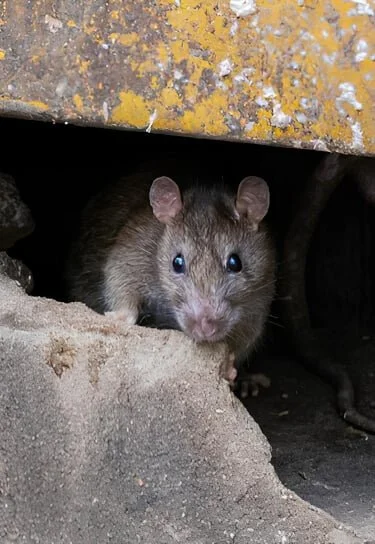
Why rodent cleanup isn't routine cleaning
Rodent droppings, urine, and nesting material aren't just unpleasant — they carry real health risks. Several serious diseases, including leptospirosis and hantavirus, are transmitted through contact with contaminated waste or by disturbing it and releasing particles into the air. This is the critical point: dry sweeping or vacuuming rodent droppings without proper equipment can aerosolize the contamination and spread it through the space.
Professional rodent cleanup isn't about being overly cautious. It's about doing the job in a sequence and with equipment that contains the risk rather than amplifying it.
What proper cleanup actually looks like
Ventilation before entry. Affected spaces — mechanical rooms, storage areas, basements, laundry rooms — should be ventilated before anyone begins cleanup work. Opening windows and doors for a minimum period before disturbing anything in the space is standard protocol.
HEPA-filtered equipment only. Standard vacuums recirculate fine particles back into the air. HEPA-filtered vacuums trap them. Any cleanup of rodent waste that uses standard equipment is doing the job wrong, regardless of how thorough it looks.
Wet treatment before removal. Droppings and nesting material should be treated with a disinfectant solution and allowed to soak before removal — not dry-swept or vacuumed directly. The moisture prevents aerosolization. This step is frequently skipped by crews that aren't trained specifically for this work.
Full sanitization of affected surfaces. After removal of visible waste, every surface in the affected area gets disinfected — floors, walls, shelving, equipment, and any adjacent surfaces that may have been contaminated through contact or traffic. In mechanical rooms and storage spaces, that means moving things rather than cleaning around them.
Disposal. Contaminated material goes into sealed bags and disposed of properly — not into the building's regular waste stream.
Where it usually shows up in Boston buildings
The requests we get are consistent in their location. Mechanical rooms and utility spaces are the most common — these areas tend to have lower foot traffic, less regular cleaning, and entry points that go unnoticed for extended periods. Basement storage areas and laundry rooms are close behind. Trash rooms and waste enclosures are another frequent location, which connects directly to how waste areas are managed throughout the year.
In multifamily buildings, rodent activity in one unit's storage area or a shared basement can spread quickly when the cleanup isn't handled promptly and thoroughly. The longer the contaminated area goes unaddressed after pest control has done its work, the larger the cleanup scope becomes.
The connection to ongoing waste area management
Rodent activity in Boston buildings doesn't happen in a vacuum. Dumpster enclosures, trash rooms, and loading areas that aren't regularly cleaned and power washed are the most common entry points and attractants. Organic residue in waste areas — buildup that accumulates between cleanings — creates the conditions that bring rodents in and give them reason to stay.
The property managers we work with who have the fewest rodent issues are almost universally the ones who treat waste area cleaning as a recurring service, not a reactive one. Regular power washing of dumpster enclosures and trash rooms, combined with prompt removal of bulk waste, removes the conditions before they become an infestation. It's not a guarantee, but it's the most effective preventive measure available to a property manager short of structural exclusion work.
What to do when you get the call
If pest control has been through your building and you need the affected areas properly cleaned and sanitized, the sequence is straightforward: get the space ventilated, don't send in a standard cleaning crew, and call a company that has the right equipment and protocol for this specific kind of work.
78-Clean handles rodent cleanup and sanitization for commercial and multifamily properties across Greater Boston. Our teams use HEPA-filtered equipment, follow proper wet-treatment protocols, and provide full surface sanitization of affected areas. We also coordinate power washing of waste areas and trash enclosures as part of the same service visit for properties that want to address the source and the symptom together.
Call 617-78-CLEAN or visit 78clean.com to schedule a site visit or get on the schedule.